
Understanding ARFID: Moving Beyond Ableist Stereotypes
Written by ED & OCD Therapy Founder: Allyson Inez Ford, LPCC (inspired by the work of Naureen Hunani, Kevin Jarvis, Stacie Fanelli, Shira Collings and more)
“Picky Eating” or Neurotypical Expectations?
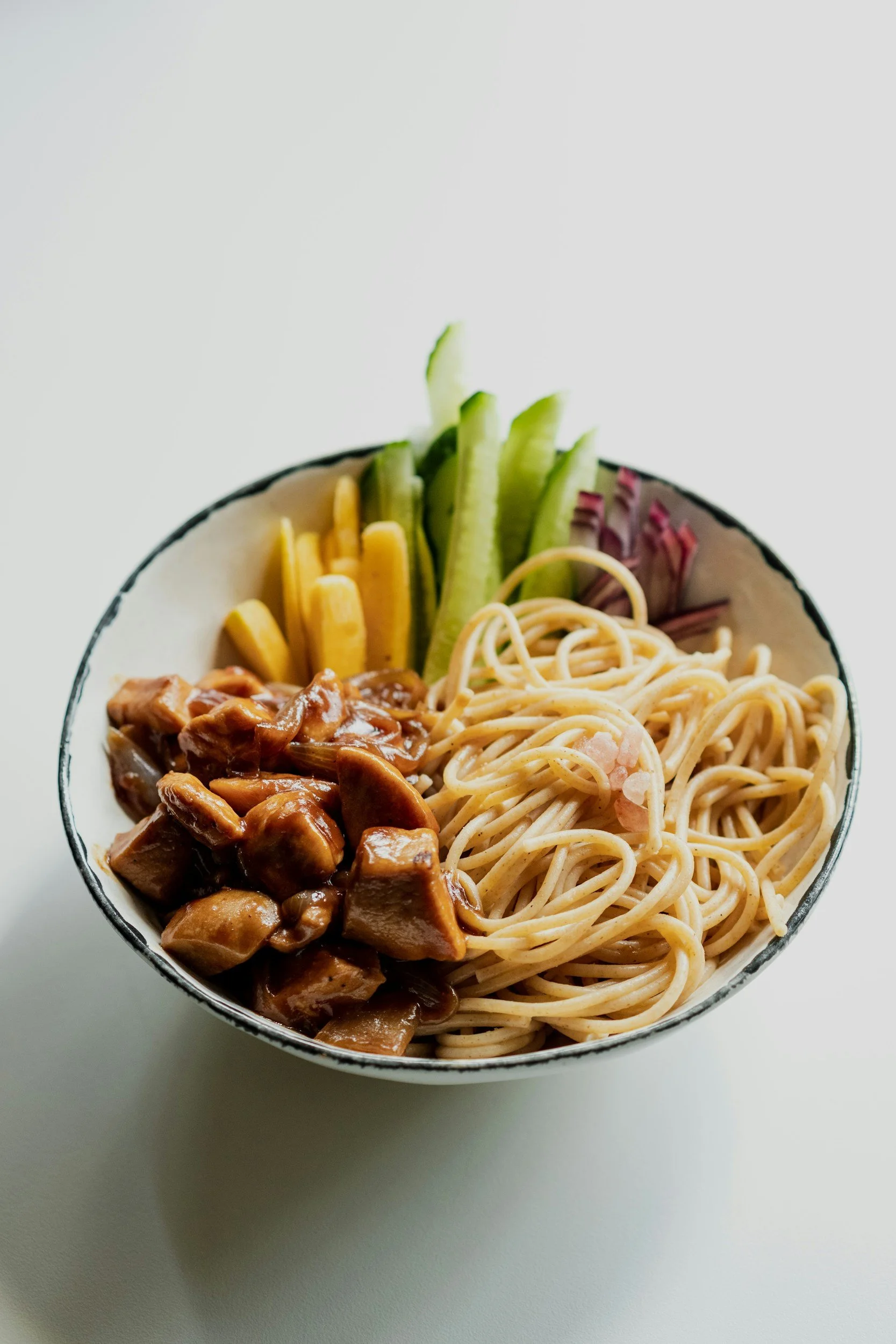
When someone consistently refuses to eat certain foods but the restriction itself doesn’t appear to be directly related to body image distress (though folks with ARFID can absolutely have body image issues too), the diagnosis that often follows, Avoidant/Restrictive Food Intake Disorder or ARFID, comes loaded with harmful and infantilizing misperceptions like “Oh they’re just a picky eater (eye roll)” or “They just need to learn how to eat like an adult- all they eat is chicken nuggets and mac and cheese (two eye rolls).”
There is SO much wrong with these kind of comments and assumptions. ARFID is complex and layered; not something to just gloss over and brush off. We should question the knee jerk reaction to locate the problem inside the person and instead ask: What is the environment failing to provide? What need is trying to be met? What is underneath the food aversion?
This reframe changes everything about how we understand, support and treat ARFIDers and it challenges the ableist and neurotypical assumptions about there being a “right” way to eat or that eating in and of itself, should be an easy and enjoyable experience for everyone.
What the DSM Gets Wrong
The DSM criteria for ARFID focuses on outcomes like significant weight loss, nutritional deficiency, reliance on supplements, and lists avoidance of food based on sensory characteristics or a feared consequence (like choking) as one of the defining features. On the surface, this sounds like just another checklist of symptoms. But embedded in that framing is an assumption: that the avoidance itself is the problem to be solved. Thus, mainstream treatment often focuses on exposure to a variety of foods, regardless of what the person actually prefers or feels is accessible.
For many neurodivergent people, sensory-based food avoidance is not a ‘deficit’ but rather an adaptive response to a food environment that is not accessible to them. When someone cannot tolerate a texture, a smell or the sensation of certain foods in their mouth, avoiding those foods is not ‘being picky’ it is being attuned to one’s unique sensory profile. It’s a compassionate response, the bodymind is trying to communicate it’s needs and get the met the best they can within the limitations of the environment they are in.
On the Language of ‘Fear’
When ARFIDers avoid specific foods due to a ‘feared’ consequence of that food, sometimes that ‘fear’ is from previous forced exposure to a food that caused sensory trauma- or sometimes there is an underlying chronic illness, disability or medical issue causing a reaction in the body that is truly unsafe for the person, so they learn to avoid it. For example, we see this in clients with MCAS, dysphagia, dyspraxia, Ehlers-Danlos syndrome and more. The use of the word ‘fear’ is actually misleading (and gaslight-y) here; the person is often trying to seek safety by avoiding foods that cause real distress or harm.
The problem is not the avoidance. The problem is that most food environments offer little accommodation for sensory differences and disabilities. Our clinical frameworks have historically pathologized the people navigating those environments rather than examining the environments themselves. Shoutout to Naureen Hunani @rdsforneurodiversity and her incredible work in this area- I have learned SO much from her, as well as Kevin @kevindoesarfid!
Affirming Neurodiversity
A more affirming approach to ARFID asks:
What is this person's bodymind actually communicating? How do we accommodate that?
What does the person with ARFID actually want in terms of their relationship to food? What feels possible to them?
The shift from fear-based language to safety-seeking language matters because it repositions the person from someone with an irrational response to someone with legitimate, embodied knowledge of their own needs.
Neurodivergent Attunement Looks Different, but it’s Not ‘Less’
One of the most pervasive myths in mainstream clinical spaces is that neurodivergent people are disconnected from their bodies. This narrative shows up in discussions of interoception, in assumptions about emotional awareness and certainly in how ARFID is understood and treated.
But disconnection and difference are not the same thing. Many neurodivergent people are extraordinarily attuned to their sensory experience-so attuned, in fact, that they have learned what does not work for them in neurotypical eating environments. What gets labeled as avoidance or rigidity is often a sophisticated and unrecognized form of self-knowledge.
It is also worth asking: when a neurodivergent person does appear disconnected from their body, what produced that disconnection? Years of being told their sensory responses are wrong, dramatic or something to push through can create genuine disembodiment.
Oftentimes, it is ableist expectations and ‘norms’ that lead to disconnection from one’s body. AND there are absolutely neurodivergent folks that do experience hypo-sensitivity unrelated to their environment, each person’s experience is incredibly unique and it must be believed and affirmed.
What Affirming Support for ArFID Actually Looks Like
Neurodivergent-affirming therapy for ARFID starts by setting aside the goal of expanding food variety as the primary marker of progress. Instead, it centers access to preferred foods, to sensory-safe eating environments, to the accommodations that make nourishment possible and even pleasurable on the person's own terms.
It also means taking executive functioning differences seriously. Understanding how focus and memory differences impact mealtimes, difficulties with meal planning, the challenge of sensing hunger when interoceptive awareness is low- these are real and practical barriers to eating that deserve practical, non-judgmental support and accommodations.

Accommodations May look like:
Creating visual cues or pairing other tasks with eating
Having always-available safe foods on hand
Bringing your own food to gatherings
Utilizing supplements (nutrition shakes, smoothies, vitamins)
Incorporating sensory joy and special interests in the food experience if possible
Utilizing ‘distraction’ while eating or eating alone
Increasing co-regulation in the food environment
Reducing demands and pressure
There are SO many ways to accommodate feeding differences like ARFID. My work with ARFIDers and neurodivergent folks in general is often some of the most creative work, we literally have to come up with things that mainstream norms around eating just do not provide or look down upon.
Centering Lived Experience- and believing your clients!
Crucially, affirming support is led by the person with ARFID, not by a provider with a food chaining protocol and a 20-session timeline. When clinicians approach feeding with genuine curiosity and openness (listening without an agenda) clients often find their own pathways toward expanding their relationship with food, on their own timeline and in their own way.
The question should not be: how do we fix this person's eating? Rather, we should be asking: how do we make nourishment more accessible for this person, in this bodymind, with this nervous system, in this environment?
Finally, please learn from those with lived experience, I am so grateful to have learned from Stacie Fanelli, Shira Collings, Naureen Hunani, Kevin Jarvis, Sam Sharpe and last but NOT least, our very own, Reece Thomas, CMHC!
Reach Out
If you’re looking for support with ARFID, we’d love to collaborate with you in getting your needs met and finding more ease with food.
Reach out to us and schedule a free 15 minute phone consultation if you are interested! We offer therapy to people in CA, WA, UT, MD, TN and FL- and recovery coaching worldwide.
