
Unlearning the Lies of Wellness Culture in Eating Disorder Recovery
Written by: Allyson Inez Ford, MA, LPCC
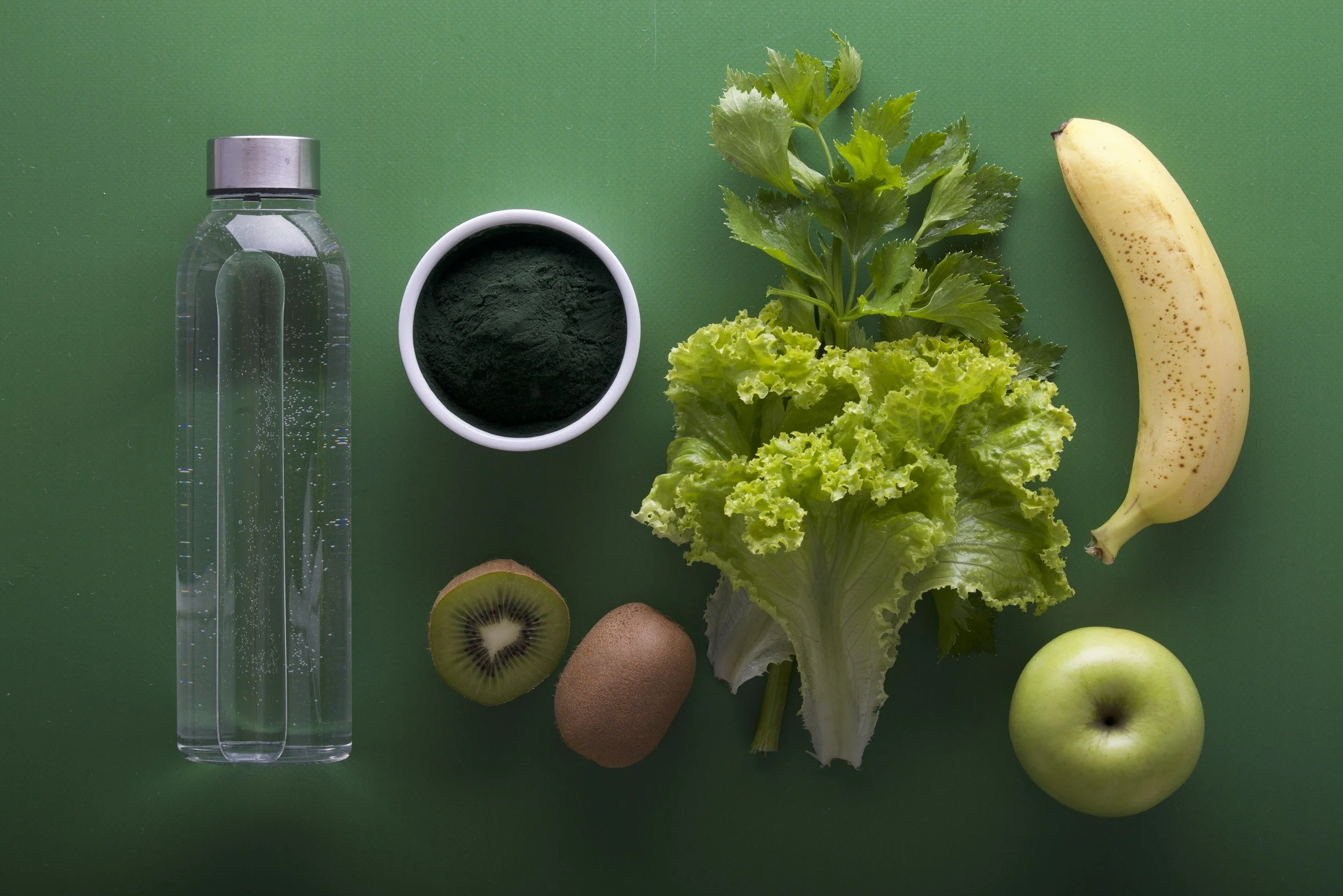
Big Wellness, Diet culture and Capitalism
It’s that time of year where we are being BOMBARDED with information from Big Wellness. What is Big Wellness, you might be wondering?
"Big Wellness" refers to the massive, multi-trillion-dollar global wellness industry which encompasses everything from fitness, ‘healthy eating’ and self-care to sleep, supplements, detoxes and more. Big Wellness is a sector now larger than sports, tourism and it even surpasses the pharmaceutical industry in scale.
Big Wellness & Capitalism
It’s interesting to me that many of the same people who critique Big Pharma for receiving financial gain from selling prescription medication, seem to overlook that the wellness industry is also about profit over people. Many people think that because something is labeled “natural” or “holistic” that it is somehow superior and more trustworthy than Big Pharma. And let me be clear, I have many critiques of Big Pharma, I know they have done massive harm to people due to their profit first model. But Big Wellness is not much different- except that they make MORE money than Big Pharma and have LESS regulations. They do not have to comply with the FDA and other regulatory bodies that pharmaceutical companies have to. They don’t go through extensive clinical trials to test for long term effects, the way pharmaceuticals have to. Much of the time we can’t even confirm that the ingredients listed are the actual ingredients in a supplement jar because of this. It doesn't take a genius to realize the many issues with this!
Big Wellness & Diet Culture
Wellness culture is also highly linked to to diet culture, in fact, many trusted professionals consider it ‘diet culture rebranded.’ It’s another sneaky way that anti-fatness, healthism, white supremacy and capitalism try to get us to feel inferior, like we are lacking something and thus, will buy whatever product of the week is trending and promising to fix our gut or hack our health. It’s exhausting and exploitative- and it’s rampant this time of year. Many of my clients find their way to me after developing disordered eating or a full blown eating disorder, after years entrenched in wellness and diet culture. Registered dietician, Anna Sweeney recently shared a stat that 1/4 health/wellness seeking dieters will go on to develop an eating disorder. Personally, the promise of the paleo diet for my ‘health’ was what triggered my years long battle with anorexia, almost a decade ago. So, I also have a personal bone to pick here.
Let’s go over a few common wellness culture lies so that you can use critical thinking and facts to help you resist falling into these traps.
The Detox Lie: Your Body Is Not “Dirty”
Wellness culture relies on persuading you that your body is contaminated, overloaded or somehow failing and that you need external intervention to “reset” it. Scientifically and physiologically this claim doesn’t hold up. Your liver, kidneys, lungs, and digestive system detox your body continuously, on their own. These organs were literally made to be internal detox systems. Juice cleanses, teas, fasts, and elimination plans do not actually improve this process. I think they are psychologically seductive because they give us this illusion that we can get rid of all the “bad” stuff inside of us, but what if our body already filters out what it needs to? What if we get rid of the “bad” language and recognize that some chemicals are actually naturally occurring things that we need to survive- like oxygen, yes, oxygen! This is just one example of how wellness culture sensationalizes words in attempt to create urgency and convince us we need to do their protocol or take their supplement to be ‘better’ or ‘cleaner.’
Overtime, this kind of messaging makes us think our own body functions are threats, that we should distrust our hunger or bodily organs, attach morality to food and discipline and reinforce this idea that we need to be more in control of our bodies. Sound problematic yet?
2. Seed Oil Fear-Mongering: Manufacturing a New Villain
One of the latest wellness myths insists that seed oils are uniquely inflammatory or dangerous. These claims rely on cherry-picked data, oversimplified biology and a familiar strategy: invent a single villain to explain complex health outcomes. While influencers often frame seed oils as “toxic” because they’re refined or processed with solvents like hexane- decades of research show that modern refining removes impurities, leaves only trace (negligible) amounts of residual solvents and results in oils that are stable, affordable and safe to consume. Large studies consistently find that replacing saturated fats with seed oils is associated with lower LDL cholesterol and reduced cardiovascular risk, not increased inflammation or disease. Claims that omega-6 fats are inherently harmful oversimplify complex nutrition science and ignore the broader dietary context. From a non-diet perspective, the real harm isn’t seed oils, it’s the misinformation that fuels fear and disordered eating, while distracting us from the structural factors that actually shape health, like food access, stress and inequity. For more of a detailed breakdown, check out this awesome post by registered dietician Abbey Roberts.
Seed oil panic works because it:
Turns everyday foods into threats
Encourages hypervigilance and restriction
Creates a sense of “insider” superiority
Reinforces black-and-white thinking about food
Don’t fall for the trap. The average amount of seed oil consumed by westerner’s is NOT going to kill you- but an eating disorder definitely can.
3. The Hidden harms of Intermittent Fasting
Intermittent fasting is often marketed as a science-backed wellness practice, but much of the hype is built on shaky or incomplete research, personal anecdotes and short-term studies rather than rigorous, long-term data. The reality is, fasting is a form of dietary restriction, and restriction is one of the strongest risk factors for developing or relapsing into disordered eating. Research links fasting to higher rates of binge and restrict cycles, eating disorder behaviors, and psychological distress, particularly among women and young people. Physiologically, fasting can contribute to nutrient deficiencies, blood-sugar instability, elevated cortisol, irritability, anxiety and impaired concentration. Importantly, the body cannot distinguish between intentional fasting and real food scarcity; it responds by slowing metabolism, increasing preoccupation with food and prioritizing survival over well-being. For people with eating disorders (or a genetic vulnerability to them) intermittent fasting can be especially harmful. Just because a behavior is trending in wellness culture does not mean it is safe, neutral, or supportive of long-term physical or mental health. It’s also interesting to note that, intermittent fasting is a choice that only people with access to adequate food would ever choose to make. The privilege in that is wild. Thank you again, dietitian Anna Sweeney for pointing that out!
There are many more lies I could point out, but hopefully you get the gist. To get more information on wellness culture myths, check out the work of Christy Harrison RD, Anna Sweeney RD, Abbey Roberts RD, Abbie Attwood MS— all people with actual degrees in nutrition science and qualified to give out nutritional health information.
Wellness CUlture is Loudest in THe New Year
January is prime time for wellness culture. After the holidays, ample time for rest and pleasure, the message is: now it’s time to compensate. Get back in control! Rules feel stabilizing in uncertain times, elimination feels productive and control can make us feel safe. The kind of ‘control’ the wellness industry sells is likely to spiral out of control, into a full blown eating disorder. The more psychologically growth fostering response to the need for control is to find out why you long for this, and accept that there is actually very little we can control. Uncertainty is a part of life we all have to learn to embrace. When we resist this truth, eating disorders and OCD flourish.
We can, however, learn to live a life according to our values. We can learn to trust ourselves only from the inside, not from external noise and rules on how we should be living. If you want to do this deeper work, therapy can help.
How Eating Disorder Therapy Can Help You Unlearn Wellness Culture Misconceptions
Therapy (especially from an anti-diet, eating-disorder-informed, and anti-oppression lens) can help you:
Identify and dismantle internalized diet and wellness culture beliefs
Reduce food anxiety and body image issues
Rebuild trust in your body and your authentic Self
Untangle moral worth from health behaviors
Heal perfectionism, learn to cope with uncertainty and heal body hatred
Unlearning these messages is about building a relationship with your body (and self) that isn’t rooted in fear. When I was in your shoes, I didn't think I would ever fully detach myself from the cult of diet and wellness culture. I felt trapped and miserable. But I did. It took a lot of time and a lot of unlearning, but it has been the most freeing and liberating journey. I wouldn’t trade it for the world.
Feeling peace in your body is the real flex, not cutting seed oils, counting macros or seeing how long you can fast. Those things do not fill the void inside, I promise you.

Looking for in person eating disorder therapy in SAn Diego?
If this resonates with you, feel free to reach out and schedule a free consultation call to learn more about how therapy can help you in your journey to finding peace with food and your body. We offer in person sessions in San Diego, CA as well as virtual therapy in CA, WA, UT, TN, MD and FL. We also provide recovery coaching services worldwide!
