When Ageism & Diet Culture Collide: Exploring the cultural obsession with Youth
Written by ED & OCD Therapy founder: Allyson Inez Ford, LPCC - based on a podcast interview with Allyson & Deb Benfield, RDN
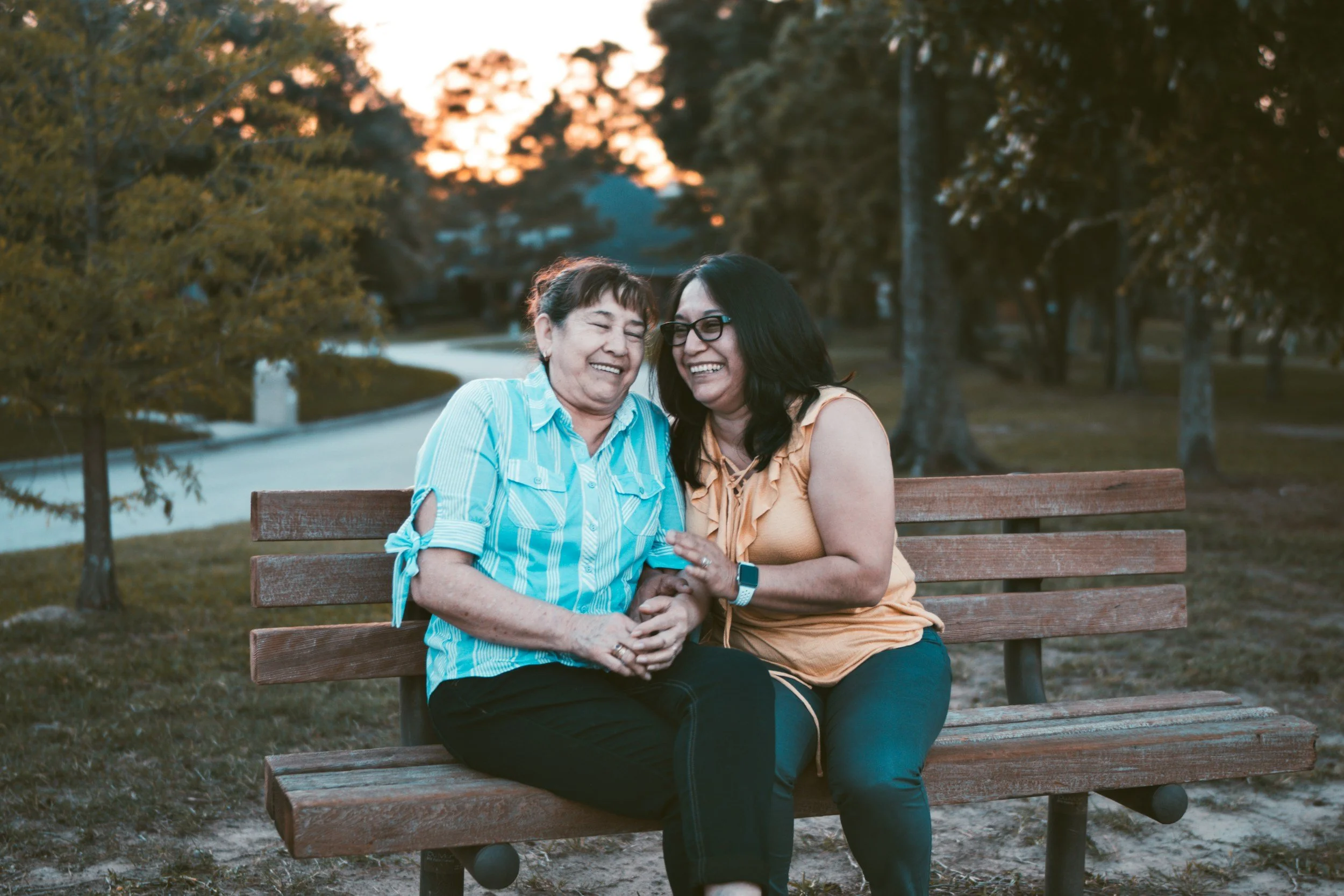
Are you afraid of aging?
It seems like everyone these days is doing something to prevent the inevitable- aging. From skincare, filler, botox to longevity diets- our culture is obsessed. But what if aging wasn't something to fear, fix or fight against- but something to actually embrace? That's the radical, refreshing question at the heart of my conversation on Body Justice Podcast with Deb Benfield, registered dietitian, aging body liberation advocate and author of Unapologetic Aging.
In this episode of Body Justice, Deb shares her decades of experience as a non-diet dietitian, her pivot into aging liberation work at 60 and why she believes the story we're told about growing older is dangerously incomplete.
Here are the key themes from our conversation- but of course check out our full convo on Apple or Spotify for a deeper dive!
The Narrative Around Aging Is Rooted in Fear & That's Intentional
Deb was blunt about this: the dominant cultural story around aging, menopause and women's bodies is overwhelmingly negative and fear-based. We're sold a narrative of decline, of things falling apart, of relevance slipping away. That fear is manufactured by a 90 billion dollar diet industry and 85 billion dollar anti-aging industry that collides to make (women especially) feel inferior and afraid of normal body changes such as weight gain and wrinkles.
The sales force behind this is no joke- ask any woman to open their social media and see what ads pop up- most likely you’ll find something related to GLP-1s or the latest skin care fad. The anti-aging industry, the skincare industry is pushing preventative Botox to women in their 20s and 30s- we have to ask ourselves what the purpose of this is. And the longevity wellness complex is a newer but very prominent pipeline, which also profits from our fear of getting older.
Deb names it clearly: these industries target the very real human desire to remain in what Sonya Renee Taylor calls the "default body"- the body that holds social power, relevance and belonging in our culture.
The Body Hierarchy and Why Thinness Becomes More Pressured With Age
Drawing on the work of Sonya Renee Taylor, Deb explained the concept of the body hierarchy: there's a default body that carries automatic privilege, belonging and power (ex. being a white, hetero, able bodied male grants you privilege in society). Any attribute that pushes you outside that default- including being older, being in a larger body, being disabled, being a person of color, moves you further down that hierarchy (with Black, trans, fat, disabled folks at the very bottom).
Youth keeps you closer to that default body. So as we age, the pressure to stay thin intensifies- because thinness becomes a proxy for youth, relevance and not having "let yourself go." Meanwhile, what does the body actually do during perimenopause and menopause? It naturally shifts- and Deb argues this is the body preparing us for the years ahead, offering protection, cushion for our organs and resilience against illness. Yet that natural, protective change is exactly what diet culture and the weight loss industry demonize.
Perimenopause Is Sneaky, and You Deserve More Honest Information
Deb described perimenopause as feeling like you are premenstrual... except for most of the time, not just a week or two out of the month. Anxiety, sleep disruption, joint achiness and hormonal fluctuation can span five to ten years before menopause itself. She emphasized that the experience is deeply individual, genetics plays a huge role and not everyone experiences all symptoms. While this can be a very difficult experience, shoving weight loss advice down our throats as a blanket cure-all is more likely to add to our distress and move us further away from radically accepting the life stage we are entering.
What she wants people to hear more clearly: the postmenopausal years can actually feel really, really good. That part of the story is almost never told. Women often disappear from the cultural conversation once menopause is over, but Deb, at 67, says she has never felt more powerful, free or alive. We talk about why that matters, and what's suppressed when society refuses to let women age into their full selves.
What's Really Under Our Fear of Aging?
One of my favorite moments in this conversation was when we got curious about what we're really grieving when we fear aging. When I reflected on my own early thirties unease, I realized it wasn't really about wrinkles- it was about longing for a chapter of life that felt more carefree and free. And while many of my peers were doing it, I knew deep down botox wouldn't fix this longing. In fact, fixing wasn’t necessary, I simply needed to honor the grief and be gentle with the feelings coming up. It also helps me to create when I am grieving, making a collage of my 20s and journaling were both helpful tools I leaned into.
Deb encourages a deep inquiry into what you're really grasping for (and against) when you feel that pull toward anti-aging interventions. What have you actually been socialized to want? What fears are rooted in patriarchy and the body hierarchy versus what you genuinely value? These aren't easy questions, but they're the right ones.
Aging Can Be Liberation- Especially Post-Menopause
Here's the part nobody talks about enough: Deb describes post-menopause as a time of emergence. She uses words like freedom, power, clarity and liberation. She describes a "veil lifting"- seeing things more clearly, caring less about external validation and feeling more connected to what she actually wants. Research on the happiness curve backs her up: people tend to be happiest at the beginning and end of their lives.
She also touches on the freedom of being single at 67- choosing community intentionally, living fully and not being afraid of being alone. It's a counter-narrative to every story we're sold about what aging women's lives look like.
This Work Is for All of Us- Not Just Older Women
When Deb launched her aging body liberation program, she expected her audience to be midlife and older women. She was surprised (and moved) to find that women in their 20s and 30s were showing up too. Because anti-aging messaging starts early. Because preventative Botox is marketed to 25-year-olds. Because fear of aging is being sold to all of us, all the time.
Body Justice- the intersection of eating disorder recovery, social justice and body liberation- has always been about the systems, not just the symptoms. Aging body liberation is part of that same fight.
Go Listen to the Full Episode
We barely scratched the surface- and we're already planning a part two. In the meantime, go listen to Episode 81 of Body Justice wherever you get your podcasts.
And find Deb at:
Instagram: @agingbodyliberation
Substack: search Debra Benfield or Unapologetic Aging
Book: Unapologetic Aging — available wherever books are sold
Body Justice is hosted by Allyson Inez Ford, eating disorder and OCD therapist in California.