
Atypical Anorexia Is Not "Less Serious" Anorexia
Written by ED & OCD founder: Allyson Inez Ford, MA, LPCC
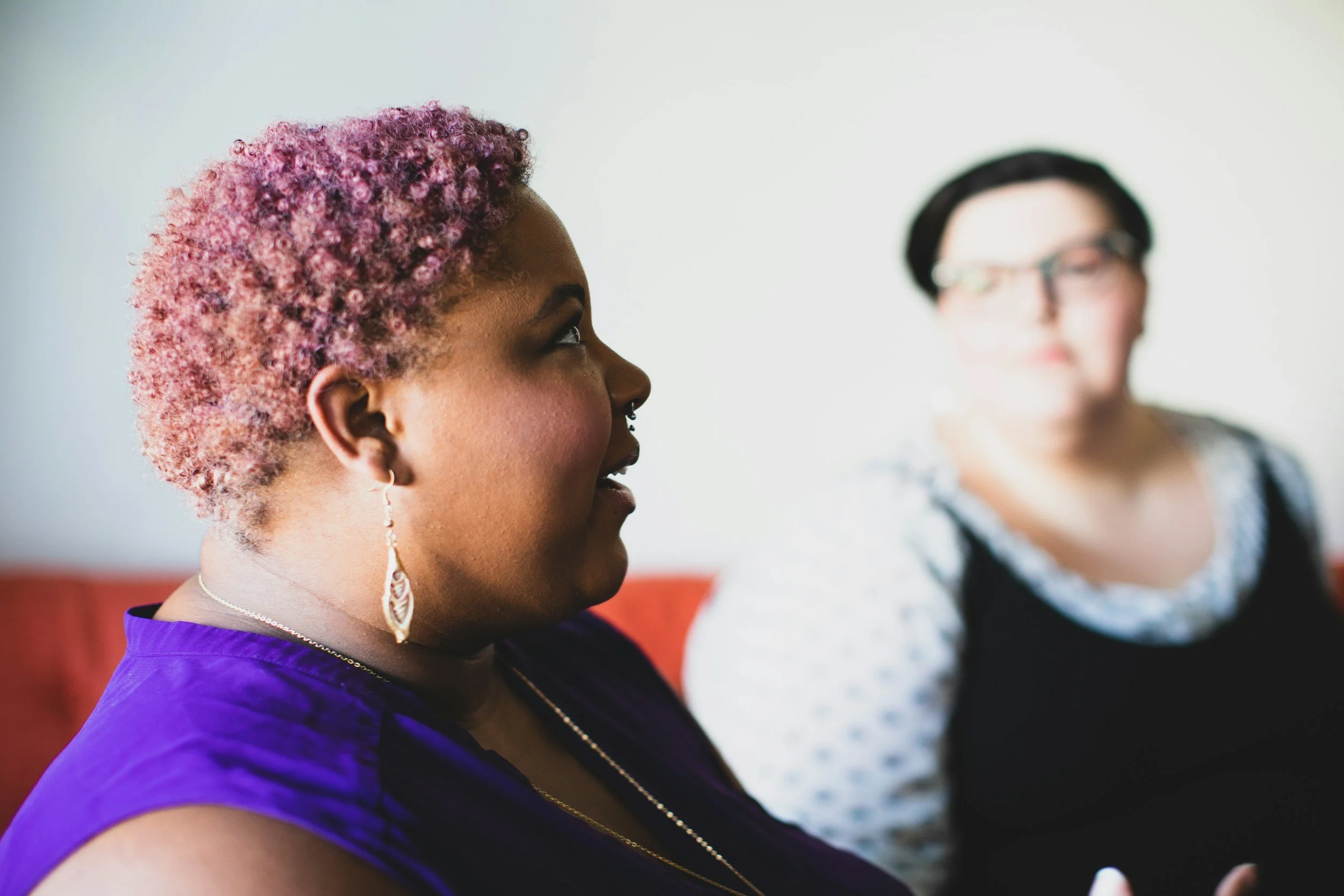
“You don’t Look Anorexic”
If you have ever been told that you can't have anorexia because you don't look like you have anorexia, this post is for you. If you have ever sat in a doctor's office, described months or years of restriction and watched the provider glance at your body and minimize what you shared, this post is for you, too. Unfortunately this is all too common and so. incredibly. harmful. Let’s unpack why this is wrong and why your eating disorder is absolutely valid, even if your body never becomes visibly emaciated (hint: most do not).
What is ‘Atypical Anorexia?’
Atypical Anorexia Nervosa (AAN) is a diagnosis that describes people who meet every single criterion for Anorexia Nervosa: the fear of weight gain, the restrictive eating, the psychological and physical consequences, except that their weight falls at or above what is considered "underweight" by clinical standards. The word "atypical" might suggest that it is somehow less severe, less urgent or less deserving of care. The research tells a very different story- ‘higher’ weight anorexia is actually MUCH more common than the stereotypical, visibility emaciated anorexia. And side note: the categories of underweight, normal weight, over weight, etc. etc.- are all based on the BMI which is NOT sound science, check out this post from Body Trust for more info on poor science of the BMI.
The Weight Myth in Eating Disorder Diagnosis
For decades, eating disorder diagnosis and treatment has been shaped by a fundamental assumption: that weight is a reliable indicator of medical severity. If someone is visibly thin, they are taken seriously. If someone is not visibly thin, they are often sent home, told they are "not sick enough," or not diagnosed at all. This assumption is not only wrong, it also causes lifelong and life threatening harm.
A landmark study by Garber et al. (2018) out of the Royal Children's Hospital in Melbourne compared adolescents hospitalized for Anorexia Nervosa and Atypical Anorexia Nervosa to understand what actually predicted physical complications. What they found challenges everything the conventional wisdom tells us. Total weight loss and recent weight loss (not admission weight) were the stronger predictors of serious physical consequences like bradycardia (dangerously low heart rate) and other cardiac complications. In other words, it was the amount of weight someone had lost and how quickly they lost it, that put their body at risk- not the number on the scale when they walked through the door.
This means that a person whose body naturally sits in a ‘larger size’, who has lost 60 pounds through restriction over the past year, may be in just as much (or more) medical danger than someone who is visibly ‘underweight.’ But because their body doesn't look the way we expect an eating disorder to look, they are often missed entirely.
Two People, Same Restriction, Different Bodies
Here is something really important to know: two people can be eating the exact same amount of food, for the exact same length of time, engaging in the exact same restriction behaviors and their bodies will look completely different. This is not a matter of willpower or effort or how "severe" their eating disorder is, this is basic biology and human diversity. Quite frankly, if all of our bodies reacted the same way to famine, we would not survive as a species. And fun fact, our bodies cannot tell the difference between an actual famine and self starvation. Anything under 1570 calories per day for an adult can trigger the body to think it is in a famine, as this is considered semi-starvation. Funny how most diet trends encourage us to eat less than this, right?!
Ok, back to body diversity. Body size is shaped by genetics, metabolism, set point theory, hormonal differences, autoimmune differences and intergenerational experiences such as food insecurity, famine, war, genocide, etc. Natural human variation means that bodies are not all built to respond to restriction in the same way. Some bodies, from an evolutionary standpoint, are actually quite good at protecting themselves from becoming emaciated. This is STRENGTH. For much of human history, the ability to survive periods of famine without wasting away was a survival advantage. For some people, their genetic makeup is wired to hold on, to adapt and to keep the body functioning even under significant physiological stress.
This protective adaptation does not mean the body is unaffected by restriction. It means the harm shows up differently: in heart rate, in electrolyte imbalances, in bone density, in hormonal disruption, in the psychological toll of an illness that is constantly dismissed because the body doing the suffering doesn't fit the cultural image of "sick enough." Not to mention, many scientifically sound studies have found that experiences of weight stigma are correlated with worse health!
Diets Don't Work- And Bodies Know It
Something that diet culture doesn’t want you to know: the research on intentional weight loss is, frankly, not good. Rothblum (2018) conducted an extensive review of decades of weight loss research and found that the overwhelming majority of people who lose weight (even just 5 to 10 percent of their body weight) have regained it within a year. Long-term follow-up studies show that weight regain continues over time, and for many people, they end up heavier than when they started.
This matters enormously for understanding ‘atypical anorexia.’ If bodies are biologically wired to resist and recover from weight loss, then the body of a person with atypical anorexia may not reflect the depth or duration of their restriction. Intentional weight loss oftens fail to produce the results diets (or ‘lifestyle changes’) promise because the body is doing exactly what it is designed to do: protect itself. This is not a failure of the person, but it is a great business strategy: create a product that makes people think if they use it correctly it will work, but if/when it works, make it work only temporarily so that customers come back throughout the lifespan! Cruel right?
And yet, in medical and clinical settings, a person's weight is still often used as the primary measure of whether their eating disorder is "real" or "serious." This is a profound failure of quality care and is blatant weight stigma.
The Cost of Not Being Believed
People with Atypical Anorexia often report being dismissed, misdiagnosed or even praised for their restriction before anyone recognized something was wrong. Some describe being complimented on their weight loss by the very providers who should have been screening for an eating disorder. Some are offered weight loss programs when they come in for help. A few of my colleagues with lived experience put out a piece on this in the New York Times, which I highly recommend everyone go read.
Delayed or missed diagnosis means delayed or no treatment. It means more time spent in a soul sucking and life threatening illness. It means more time for medical and psychological complications to accumulate quietly, without anyone connecting the dots. The Garber et al. (2018) study found that bradycardia, a serious cardiac complication, was just as present in adolescents with atypical anorexia as in those with a ‘visibly ill’ presentation. The body does not wait for clinical validation before it starts to struggle.
There is also an enormous psychological toll to having your experience minimized. When you are suffering and the world around you tells you that your suffering doesn't count (or worse, that your body is the problem to fix rather than the eating disorder) it reinforces everything the eating disorder already tells you. It makes it harder to ask for help, it makes it harder to believe you deserve help. And sadly, it leads to many sufferers doubling down on their eating disorder behaviors because that is what they are encouraged to do!
What Weight-Inclusive Care Actually Means
A weight-inclusive approach to eating disorder care does not use body size or shape as a proxy for suffering. It starts with the understanding that bodies are diverse, that weight is not a straightforward measure of health or illness, and that every person who is struggling with their relationship to food and their body deserves to be taken seriously, regardless of what their body looks like.
This means focusing on the behaviors and thoughts the person suffering is reporting and setting aside our biases and assumptions of others bodies (ahem, unpacking our own anti-fat bias). It means asking people in all bodies about current and past restriction, current and past exercise behaviors, negative thought patterns and shame, experiences of body based trauma, messages they have internalized about their body and ultimately, the relationship someone has with food and their body. We need to trust and take seriously what people tell us about their experience, even when their body doesn't fit the image we have been conditioned to associate with an eating disorder.
It also means acknowledging that the diagnostic criteria we have inherited were built in a system that was not designed with body diversity in mind and that we have an obligation to do better. Anti-fatness and weight stigma I also deeply connected to systems like racism and eugenics. We need to look at it all and unlearn all the harmful messages we receive about bodies, especially those most marginalized in society.
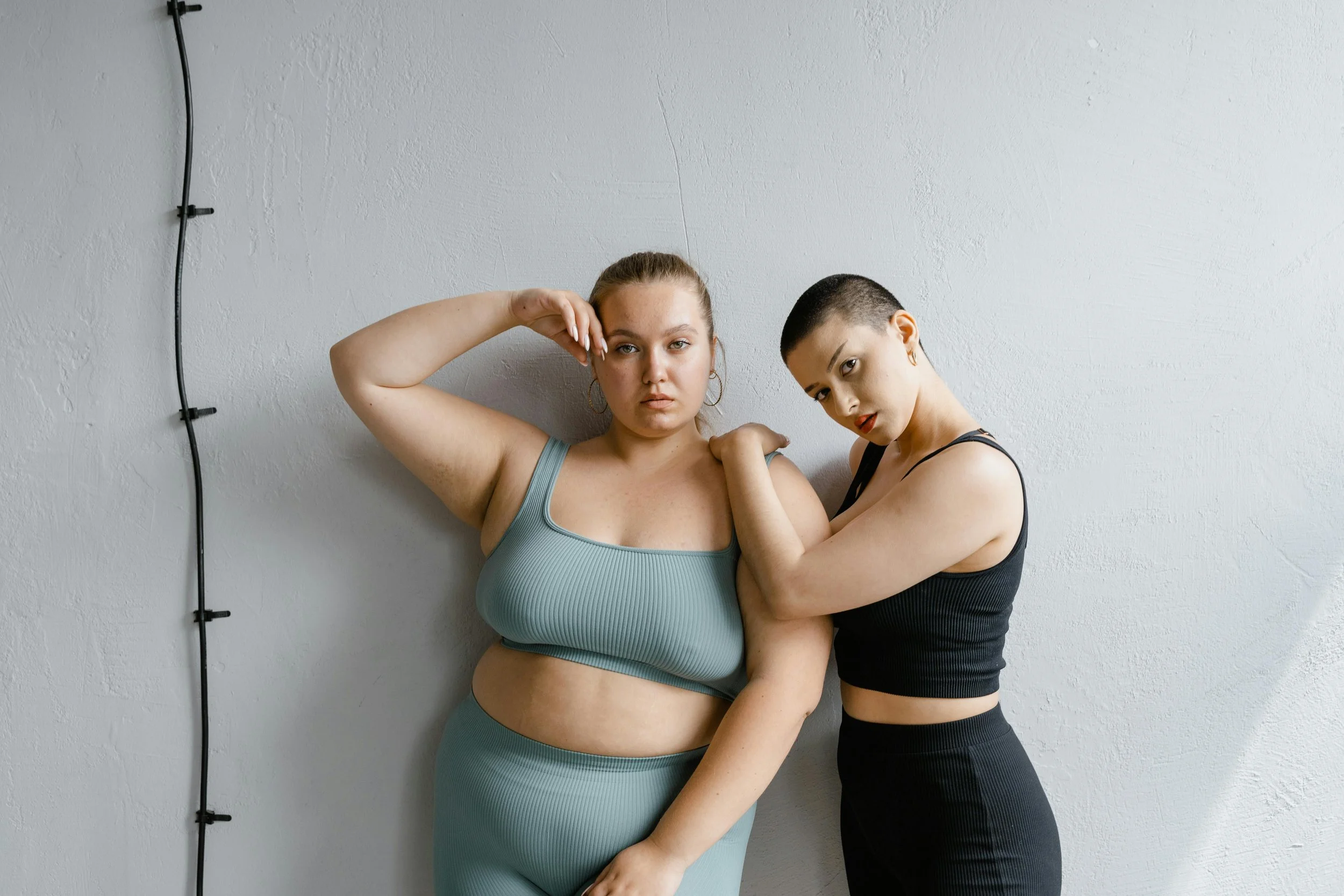
You do not Have to get sicker to receive COMPASSIONATE care.
If any part of this resonated with you, I want you to hear this clearly:
Your suffering is real.
You do not have to be at a certain weight for your eating disorder to count.
You do not have to look a certain way to deserve care.
The research backs this up, and so do we at ED and OCD Therapy. Atypical Anorexia is not "less serious" anorexia. It is anorexia, in a body the world actively oppresses. At ED and OCD therapy, most of our clients with anorexia do not fall in the ‘underweight’ category and we do NOT subscribe to the mainstream messaging around anorexia and size. We know that each and every person deserves to be taken seriously and deserves a life free of an eating disorder. If you’re looking for an eating disorder therapist in CA, FL, MD, TN, UT or WA— we are here to help. We also offer eating disorder recovery coaching worldwide! Reach out to learn more and connect with a member of our team.
References & More Learning
Harrison, C. (2019). Anti-diet: Reclaim your time, money, well-being, and happiness through intuitive eating. Little, Brown Spark.
Garber, A. K., Cheng, J., Accurso, E. C., Adams, S. H., Buckelew, S. M., Condition, C., ... & Golden, N. H. (2019). Weight loss is associated with medical complications in adolescents with atypical anorexia nervosa. Journal of Adolescent Health, 64(4), 462–468. https://doi.org/10.1016/j.jadohealth.2018.09.001
Harrison, Da'Shaun L. (2021). Belly of the beast: The politics of anti-fatness as anti-Blackness. North Atlantic Books.
Rothblum, E. D. (2018). Slim chance for permanent weight loss. Archives of Scientific Psychology, 6(1), 63–69. https://doi.org/10.1037/arc0000043
Strings, S. (2019). Fearing the Black body: The racial origins of fat phobia. New York University Press.
