
Beauty Standards are Always Changing— And That’s The Wh0le Point
Written by: Allyson Inez Ford, MA, LPCC | Founder of ED and OCD Therapy
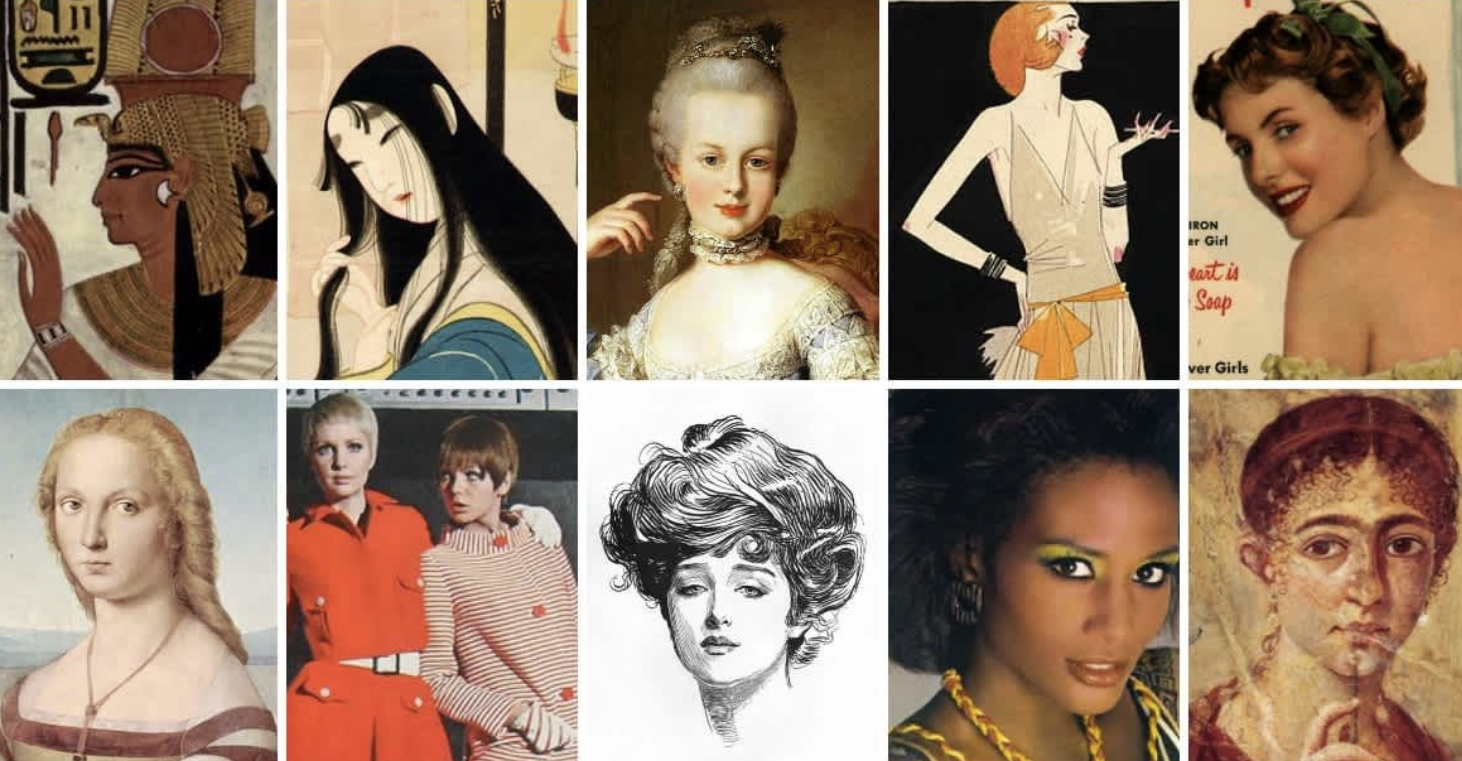
One topic that comes up over and over with my clients struggling with eating disorders and negative body image is just how much society’s continually changing beauty standards impact the way they see themselves- and ultimately, their sense of self worth. It’s nearly impossible for beauty standards not to impact us, when they are shoved in our faces everywhere we turn: on TV, on instagram, on TikTok, on billboards, in magazines.
Part of therapy often includes unpacking how these socially constructed, eurocentric standards have become so deeply embedded in our psyches, that even when we are aware, it is terribly hard to divest and find an internal sense of worthiness- without changing our bodies. This is particularly true for anyone in a socially marginalized identity or anyone who carries a worthiness wound from unmet needs in childhood.
The Unspoken Expectations in Beauty Standards
You can think of beauty standards like expectations (that none of us consented to) about physical appearance that are constantly changing over time. These standards can be harmful to body image because they often present unrealistic and idealized images that can lead to feelings of inadequacy and negative self-esteem, particularly when one struggles with comparison and has a deep longing to fit in.
Wait, isn’t that all of us? Additionally, narrow beauty standards can reinforce discrimination based on race, ethnicity, gender, age, size and other factors, leading to further harm to body image and self objectification (seeing oneself as an object rather than a whole, unique human being).
Here are a few examples of changing beauty standards over time:
1: Body size:
In different historical periods, ideal body sizes have varied, from large bodies, thin bodies, midsize ‘curvy’ bodies and thin bodies once again. Large bodies specifically come with so much oppression and hate in current times, to the point that some studies indicate more people would rather lose 10 years of their lifespan than become ‘fat.’ Not only does this show how incredibly fatphobic our society is but also explains how weight stigma negatively impacts one’s self esteem.
2: Facial features:
In some cultures, certain facial features, such as plump lips, high cheekbones, and narrow noses, have been considered more attractive at different times. Further, featurism is a form of discrimination that values and gives social or economic preference to people who have specific facial features (such as narrower noses or lighter eye shapes) over those with features that fall outside dominant (white, eurocentric) beauty standards.
3: Hair:
Hairstyles and hair texture have also been subject to changing beauty standards, with curly hair being popular in the 1970s, for example, and straight hair in the 1990s. Hair texture for BIPOC folks also comes with its own form of racial discrimination, leading many to attempt to conform their hair to eurocentric standards- often at the cost of a lot of time, money and even pain.
4: Tanning:
The ideal skin tone has also changed over time, with tanned skin being considered attractive in some periods, and lighter skin in others. Consider how colorism (a form of prejudice or discrimination that gives better treatment and advantages to people with lighter skin tones while treating people with darker skin tones unfairly) also plays a role here.
Conversely, when “tan is in” - I think about cultural appropriation which is an inappropriate adoption of elements of another culture (such as clothing, hairstyles, general appearance or traditions) by members of another, typically dominant culture
5: Makeup:
The way makeup is applied and the styles that are considered attractive have also changed, with heavier makeup being popular in some eras and more natural looks in others
These changing beauty standards can be influenced by various factors, such as cultural trends, media representation, and the beauty industry.
Beauty Standards and The Body hierarchy
Why are beauty standards always changing? There are many reasons for this, but one glaringly predatory one is that if they are always changing, you can never truly “achieve” the ideal look, leaving you on a never ending hamster wheel of buying the next latest and greatest wardrobe, trending skincare products, make up etc.
Beauty standards are also very much so rooted in oppression and the ‘body hierarchy’- a term coined by Sonya Renee Taylor in her NYT Bestselling book: Your Body is Not an Apology and further researched in Sabrina Strings groundbreaking book Fearing The Black Body.
Conformity is good for the Profit Margins of the diet industry- but not your Health
When people feel pressured to conform to these standards, they may engage in diets and disordered eating behaviors in an attempt to ‘fix’ their body that society has convinced them is ‘wrong.’ The diet industry is a 90 billion dollar (and growing) industry that capitalizes off of you feeling not good enough.
Disordered eating behaviors lead to developing negative and even hateful attitudes towards their bodies. This can lead to the development of a full blown eating disorder, such as anorexia, bulimia, and binge-eating disorder. Eating disorders can have serious and long-lasting health consequences, including malnutrition, organ damage, and even death. They are the second most deadly mental illness, after opiate use disorder.
It is also important to recognize that eating disorders are complex mental health conditions that are influenced by a combination of biological, psychological, social, political and environmental factors.
Challenging harmful beauty standards and promoting body acceptance can help to prevent the development of eating disorders and support those who are struggling with these conditions, and this is also just one factor in how eating disorders develop and maintain themselves.
Looking for eating disorder or body image support in San Diego, Ca?
If you or someone you know is currently struggling with body image or an eating disorder, please know help is available. Reach out to my practice to schedule a 15 minute (free) consultation call to see if we would be a good fit for you- otherwise we are happy to connect you to other resources.

At Eating Disorder OCD Therapy, we offer compassionate, relational, and personalized care, rooted in the belief that healing is not one-size-fits-all. Honoring client autonomy, collaboration, and anti-oppressive, neurodivergent-affirming practices, we walk alongside you as the expert in your own life.
We provide therapy for Eating Disorders, OCD, Body Image, Trauma, Perinatal Mental Health and offer Ketamine Assisted Psychotherapy (KAP), Group Therapy (globally), Recovery Coaching (globally), and Clinical Consultation and Supervision for clinicians.
We are currently accepting new clients for in-person therapy in San Diego, CA and virtual therapy in California, Florida, Tennessee, Maryland, Utah & Washington State.
