

Compassionate eating disorder therapY for Teens & ADults in San Diego, CA
in-person Eating Disorder therapy in Hillcrest, San Diego & Virtual Eating Disorder therapy in California, Maryland, Tennessee, Utah & Washington.
Why Seek Eating Disorder Therapy in SAn Diego?
Eating disorders take the joy out of every day life, to the point where everything starts to feel dull, ‘grey’ and isolating. Eating disorders are complex mental illnesses that impact the mind, body, spirit and our relationships with others. That’s why recovery is so important- so you can reclaim your life and start living in color again.
Eating disorders are often rooted in deep emotional pain, trauma and/or systemic pressures. Food and body image struggles can also be a part of one’s neurodiversity. There is not one singular “cause” for an eating disorder; but the impact on one’s life becomes all-consuming, nonetheless.
Because we have walked through the depths of an eating disorder ourselves, we are deeply passionate about helping others find freedom too.

UNDERSTANDING EATING DISORDER Behaviors & Types
Contrary to popular belief, eating disorders are not about vanity. Eating disorders are life-threatening mental health conditions with serious medical complications. Often times eating disorders signal deeper pain. They develop from a combination of psychological, genetic, environmental, socio-political and relational factors.
Common behaviors associated with eating disorders include:
-
Restricting food can look like: limiting food intake to control weight or body shape. This can include calorie counting, macro counting, limiting and/or avoiding certain food groups.
It is common to start feeling anxious, guilty or shameful when breaking restrictive “food rules”.
Often, people restricting themselves are still eating something which can make it hard for people on the outside to detect. Rarely does someone with an eating disorder eat absolutely nothing.
These behaviors often serve the purpose not only of changing body size, but also to numb out from difficult emotions and communicate unmet needs.
People of all shapes and sizes can have restrictive eating disorders such as Anorexia Nervosa. Not all bodies drastically change and become “underweight” with restriction.
Those with higher weight anorexia (also called atypical anorexia) can experience the same medical consequences that someone in a smaller body can. We take this very seriously and utilize a health at every size perspective when working with any eating disorder, at any body size.
-
Binge eating looks like: consuming large amounts of food in a short period despite nutritional needs otherwise being met, feeling ashamed of food behaviors, often binging in secret, feeling a loss of control around food and eating well beyond fullness to the point of discomfort and pain.
Binge eating often involves some amount of physical or emotional restriction leading up to the binge.
Like all eating disorder behaviors, we need to look below the surface to determine the appropriate interventions for treatment.
Binge eating disorder is the most common eating disorder, but also the most stigmatized. It is often left out of discussions when society talks about eating disorders. This is due to how pervasive diet culture is- we live in a world that praises restraint and control around food. Binge eating often feels ego-dystonic to the person and fuels shame.
Please know we believe anyone struggling with binge eating deserves compassion, attunement, and just as much care as someone struggling with a restrictive eating disorder.
-
Purging is any use of compensatory behaviors after eating such as vomiting, excessive exercise, or misuse of laxatives. These behaviors are often not a one time thing, the cycle can feel addicting, compulsive and hard to untangle from.
To classify as bulimia nervosa, must happen at least three times a week for a few months. That being said, purging (specifically self induced vomiting) is one of the most dangerous eating disorder behaviors and any amount of purging deserves psychological attention so that we can prevent it from spiraling. You can actually die from cardiac issues with just one purge. Purging typically involves a cycle of thoughts, emotions and behaviors.
We utilize a wide variety of treatment options to help you break the cycle of purging and understand the complexity of letting go of this behavior.
We believe harm reduction approaches are incredibly valuable and life saving here.
-
OSFED or ‘Otherwise Specified Feeding and Eating Disorder’ is a very commonly diagnosed form of an eating disorder. It is used when someone does not fit neatly into diagnostic criteria- i.e. they have some of the symptoms, but not all. Or, they have a handful of symptoms in multiple categories of eating disorders. People with atypical anorexia (also known as higher weight anorexia) are often formally diagnosed with OSFED.
It is important to know that OSFED does not mean “less severe.”
Research shows that OSFED can be just as deadly and have just as many health consequences. It is important to get help as soon as possible from a weight inclusive eating disorder specialist.
Don’t let anyone tell you that you aren’t sick enough because you have atypical anorexia and not Anorexia.
-
Avoidant/Restrictive Food Intake Disorder (ARFID) is an eating disorder characterized by food avoidance or restriction that leads to nutritional deficiencies, malnourishment, or difficulty meeting daily energy needs.
While body image concerns can absolutely co-occur, it isn’t typically the driving force for the food aversion and is not always present.
ARFID is often misunderstood as “picky eating,” but it is far more complex and is often rooted in sensory sensitivities, fear of eating due to a feared consequence such as vomiting, choking or getting sick.
ARFID commonly co-occurs with various forms of neurodivergence such as autism or ADHD. Our approach to treating ARFID is neurodiversity affirming, meaning we honor the client’s sensory needs and food preferences rather than pathologize them or “fixing” them.
We focus on creating individualized accommodations that make eating safer, more accessible, and less distressing.
While many providers in the eating disorder field believe that treating ARFID means exposure to aversive food and habituating to the distress, we know that this can actually be traumatizing to the client and out of alignment with their goals. Therefore, we aim to get creative with our ARFID clients and look at ways to expand/adapt existing safe foods- and only engage in gradual exposure if that is what the client is wanting.
*It is worth noting that many eating disorder behaviors exist together. People rarely fit neatly into diagnostic categories and your eating disorder is no less valid if it is not perfectly captured by a specific diagnosis.
What is our THerapeutic approach for eating disorders?
Our approach is grounded in weight inclusive care through a Health at Every Size lens.
Therapeutic modalities we often use in our work with clients:

Who is Eating Disorder Therapy for?
We work with teens and adults of all genders and identities who are experiencing:
Anorexia- including ‘Atypical’ Anorexia, or any form of restrictive eating
Bulimia Nervosa and purging behaviors
Mixed eating disorder presentations
We specialize in supporting BIPOC, neurodivergent, LGBTQ+ folks, and those navigating the impacts of trauma, anti-fatness, and other forms of systemic oppression alongside their eating disorder.
It isn’t necessary to meet certain criteria to work with us. We firmly believe that any amount of suffering with food and body image warrants support. Early intervention is best when it comes to recovery from an eating disorder- you don’t have to wait for it to get worse.
Eating DIsorder Therapy can help you:
Overcome restricting, bingeing, purging and/or over-exercising
Reconnect with hunger, fullness and body cues— OR learn to eat mechanically according to your body’s nutritional needs
Heal from trauma and attachment wounds
Feel less obsessed with food, numbers and appearance
Feel more at peace with your body- you don’t have to LOVE it in order to have a peaceful acceptance of it.
Break free from guilt and fear around food
Have freed up brain space to focus on other aspects of life and self
Improve relationships with family and friends
What is the eating Disorder Treatment Process like?
We typically meet weekly, beginning with an in-depth assessment and collaborative treatment planning. Eating disorder treatment has the most successful outcomes with a treatment team approach. As therapists, we are one part of that; depending on your specific needs and resources, we will likely recommend meeting with an eating disorder specialized dietician, medical doctor, recovery coach or support group in addition to therapy. This becomes your personal recovery team and ensures all aspects of an eating disorder are being adequately addressed. Eating disorders are complex and it takes a village to recover. We can help you with referrals and we will coordinate care with everyone on your team.
Set up a free 15 minute intro call to get scheduled with one of our available therapists.
Complete an intake assessment with your therapist to explore current struggles, strengths and identify goals for recovery.
Your therapist will help you establish a treatment team or connect with your existing team.
Your therapist will collaborate with you to create a treatment plan with supportive strategies to to help you meet your goals. Then it’s time to get to work!
Special Features &Techniques
Neurodiversity-affirming Eating disorder Therapy
(special focus on accommodations and underlying sensory needs)
Attachment Focused healing
for clients with relational trauma.
Socio-political and body justice lens
eating and body image struggles are rooted and amplified by systems like racism, sexism, ableism, anti-fatness and more; we zoom out as much as we zoom in.
Somatic, creative and values-based interventions
to build safety, alignment and a life worth living without an eating disorder.
Treatment team model
to build wraparound nutritional, medical and therapeutic support.
Collaborative Process
recovery requires autonomy and safety, we don’t force compliance or a specific treatment approach if it isn’t vibing with you.
Harm reduction Values
aimed at keeping you safe when you aren’t ready to stop using behaviors.
Ketamine Assisted Therapy
to work through stuck points that won’t ease up with traditional approaches.

Our clients often tell us:
That they finally feel seen and understood here. Many come in feeling like their struggles aren’t “severe enough” or that they don’t fit the stereotypical mold. At ED & OCD Therapy, we affirm all eating disorder experiences and all bodies. Our clients learn to approach themselves with compassion, deepen emotional insight and slowly disentangle from harmful messages about food and bodies— while staying grounded in their values or connecting to them for the very first time.
What are the Long-Term Benefits of Eating Disorder Recovery?
Peace with food and your body
Greater self-trust and reconnection with what you value most in life
Improved relationships and healthier boundaries
Freedom from obsessive thoughts about food and weight
A more empowered and authentic sense of identity
Greater life satisfaction and quality of life
Reduced anxiety and overall mood improvement
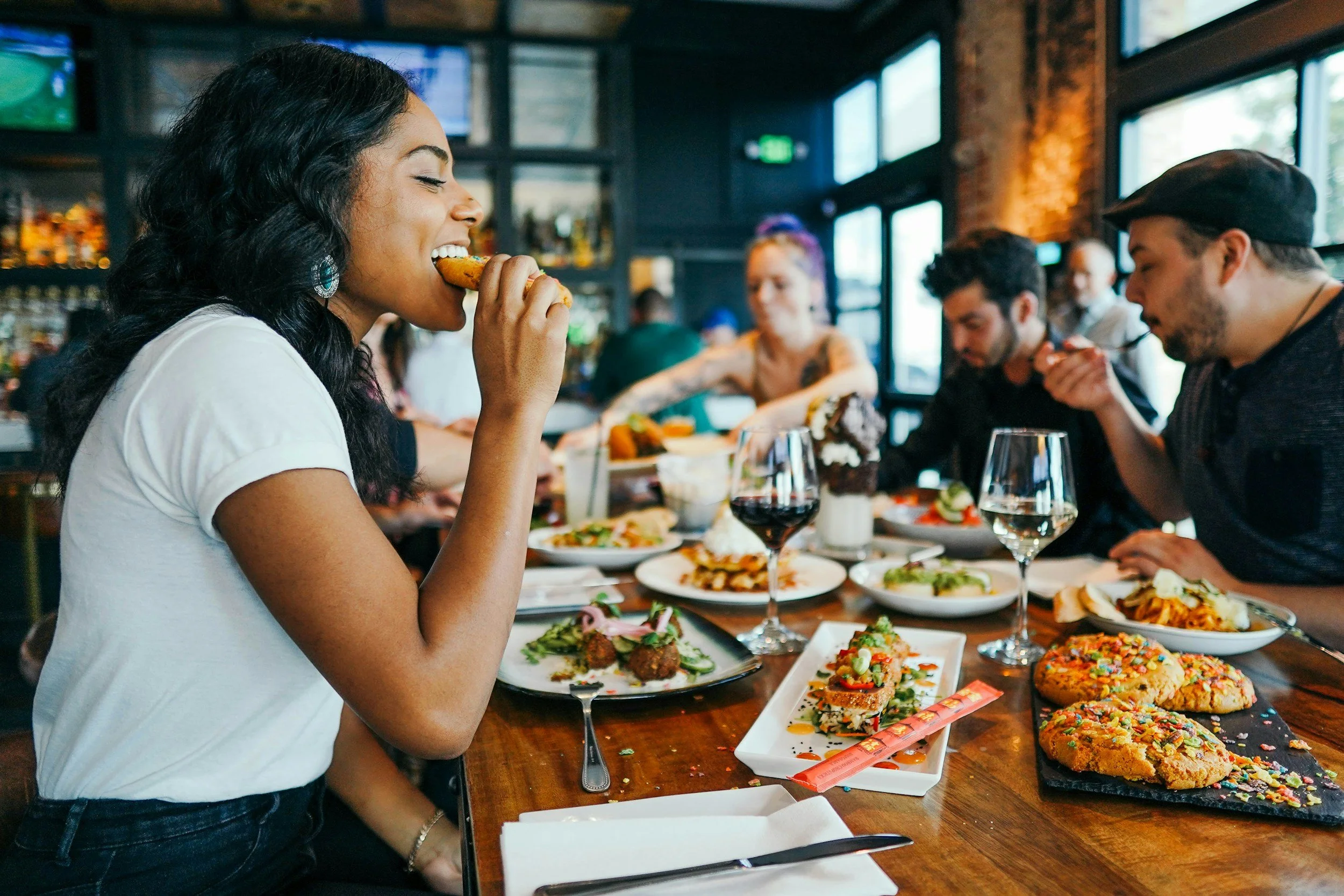
Recovery is HARD and it is 100% worth it.
If you or your loved one is struggling with an eating disorder, please reach out to us at 619-752-4318 to schedule your free 15-minute consultation.
Together, we can work towards a future free from the constraints of disordered eating and towards a life filled with inner peace, meaning, and deep fulfillment.
Signs You Might be Struggling with an Eating Disorder:
Constantly thinking about food
Feeling like you are addicted to food
Fear of gaining weight, no matter how much you lose
Tracking calories, macros, protein intake, etc.
Frequently Asked Questions about Eating Disorder Therapy
-
We primarily work with teens and adults. We are happy to provide trusted referrals for anyone looking for a children’s eating disorder specialist!
-
This is a case by case decision. We typically do not require or demand that you work with other specialists, but it is true that eating disorders are often treated best within a treatment team context. We encourage our clients with eating disorders to meet with a dietician and medical doctor- and can provide referrals, but we cannot force you to do so.
-
Several things set us apart! We have lived experience of eating disorders and recovery, we operate from a neurodiversity affirming and anti-oppressive lens. We also look at root causes of eating disorders rather than soley on behaviors and symptom management.
-
Specialization is a combination of time spent working with a specific population, continuing education focused on eating disorders and co-occurring issues and whether or not someone has received adequate consultation and supervision from those in the field longer than oneself. While lived experience certainly adds an extra layer of understanding and empathy, it is not on it’s own enough to call oneself a specialist.
-
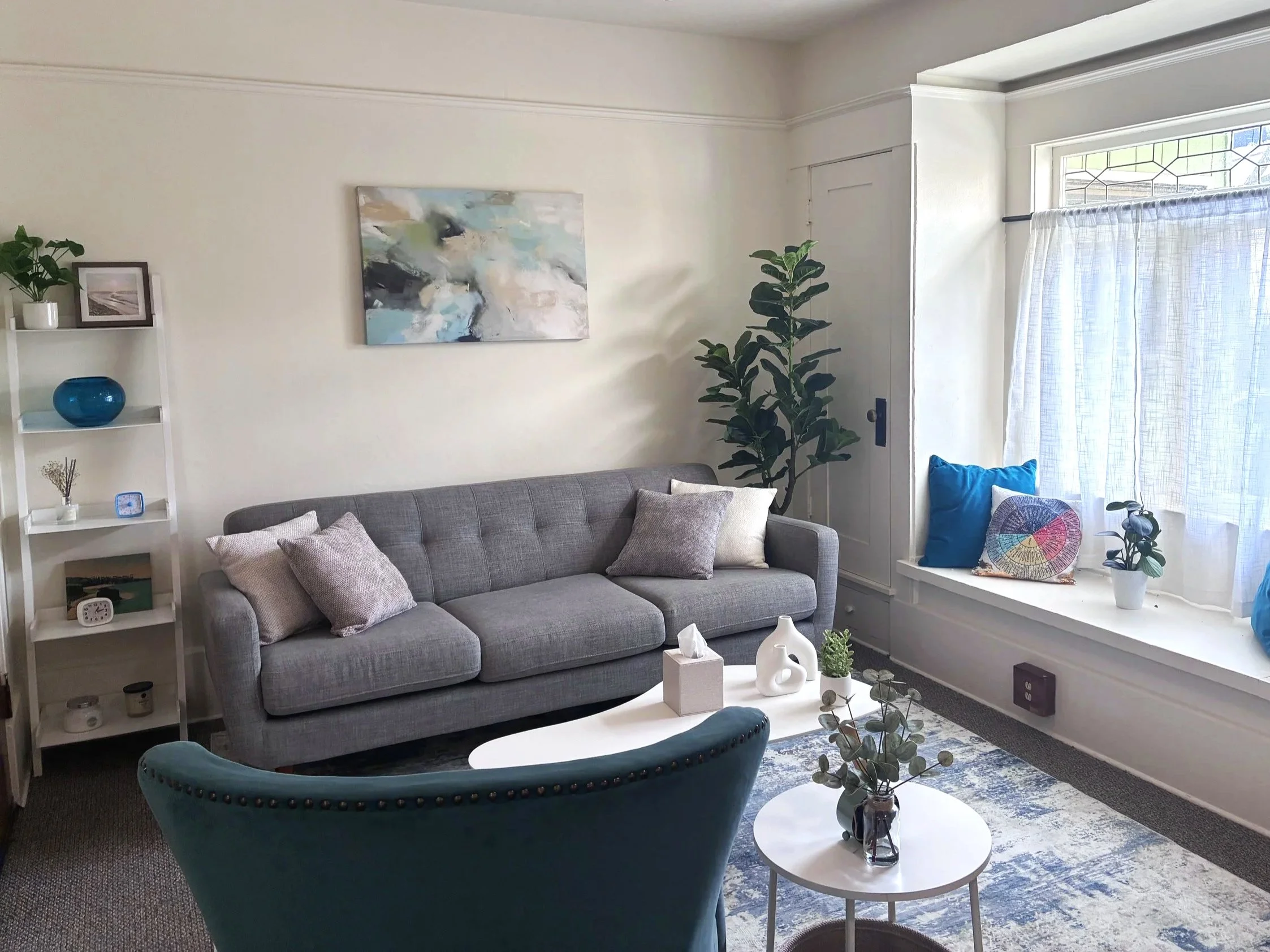
Yes! We provide in person eating disorder therapy at our Hillcrest office in San Diego, CA.
Additionally, we provide virtual eating disorder therapy throughout California, Maryland, Tennessee and Utah.
-
Cost is dependent on the clinician you work with and the state you reside in (variability for cost of living in different areas). You can check out our rates and insurance page for more info!
-
You can reach out here to connect with us or you can email us at: info@eatingdisorderocdtherapy.com
You May Also Be Interested In:
Interested in Learning More About Eating Disorder Recovery?
Check out Our blogs!





Ready to start therapy?
⟡
Ready to start therapy? ⟡

At Eating Disorder OCD Therapy, we offer compassionate, empowering care informed by a blend of evidence-based treatment, liberation psychology, and wisdom from our own lived experience. We strive to create a space where clients feel understood rather than pathologized.
We provide therapy for Eating Disorders, OCD, Body Image concerns, Trauma, and Perinatal Mental Health. We also offer Ketamine Assisted Psychotherapy (KAP), Group Therapy (globally), Recovery Coaching (globally), and Clinical Supervision for clinicians.
We are neurodiversity affirming, queer and trans affirming, Health at Every Size aligned, and strive to be actively anti-racist.
We are currently accepting new clients for in-person therapy in San Diego, California as well as virtual therapy services throughout California, Florida, Maryland, Tennessee, Utah & Washington.